The Role of Government Regulations in Ensuring Food Safety
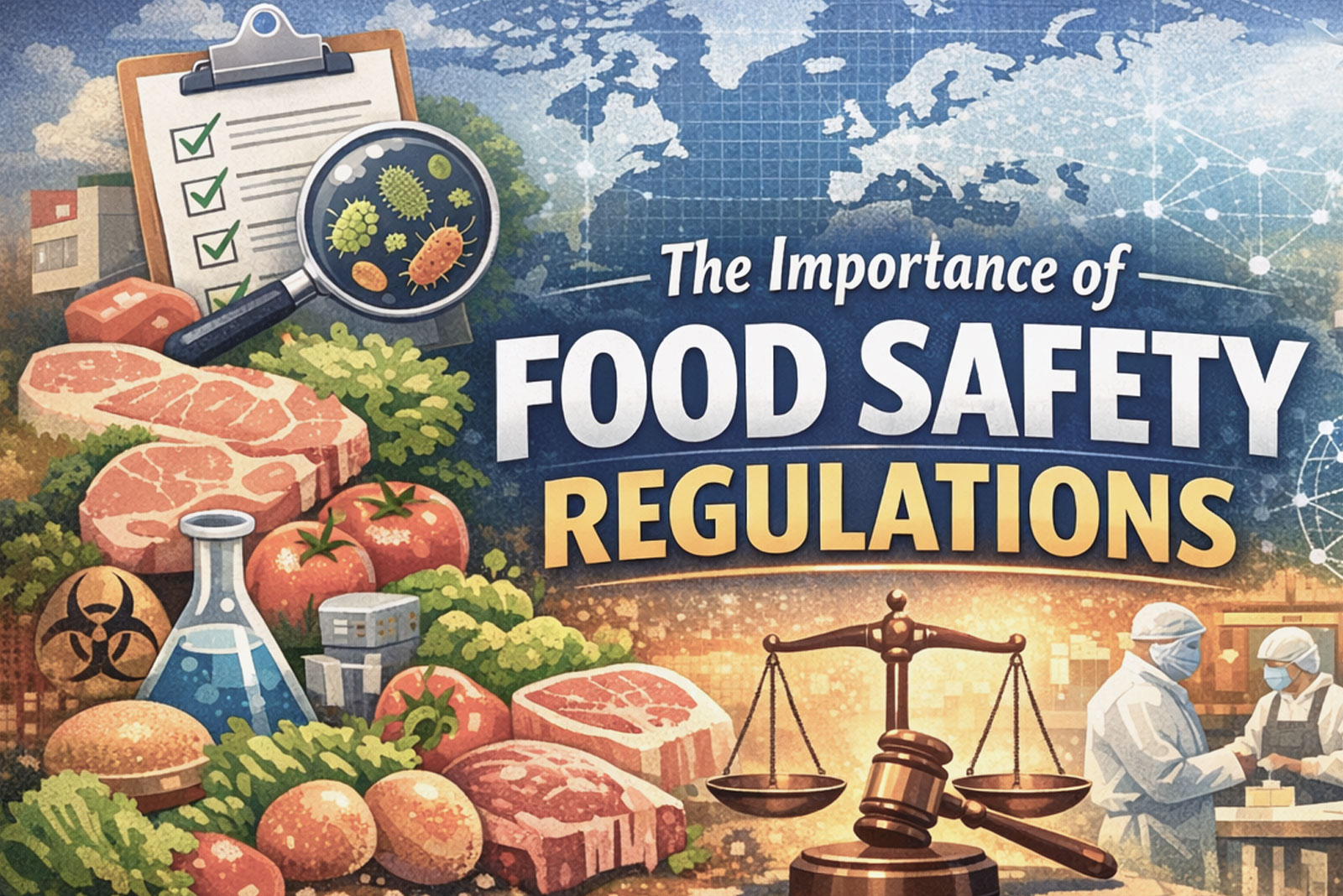
Food safety is a critical public health concern that affects every stage of the food supply chain, from production and processing to distribution and consumption. Governments play a central role in safeguarding food systems by establishing regulations designed to prevent contamination, protect consumers, and maintain industry accountability. These regulatory frameworks are essential for ensuring that food products meet established safety standards and are fit for consumption. Organizations such as the Codex Alimentarius Commission also contribute by developing internationally recognized guidelines that support national regulations. In an increasingly globalized food market, government oversight remains a cornerstone of public health protection and consumer confidence.
Establishing Food Safety Standards and Legal Frameworks
One of the primary responsibilities of governments is to develop and enforce food safety laws that define acceptable practices within the industry. These regulations set clear standards for hygiene, processing, storage, labeling, and transportation of food products. By aligning with international benchmarks, such as those established by the Codex Alimentarius Commission, governments ensure consistency and facilitate global trade. Legal frameworks also establish accountability, outlining penalties for non-compliance and creating incentives for businesses to adhere to best practices. Through these structured guidelines, regulators create a baseline that all food businesses must follow, reducing the risk of contamination and foodborne illness.
Monitoring, Inspection, and Enforcement
Beyond creating laws, governments are responsible for monitoring compliance through inspections, audits, and enforcement actions. Regulatory agencies conduct routine checks of food production facilities, farms, and distribution centers to ensure adherence to safety standards. When violations occur, authorities can impose fines, suspend operations, or mandate corrective actions. This system of oversight not only deters unsafe practices but also promotes continuous improvement within the industry. Effective enforcement ensures that food businesses remain vigilant in maintaining safety protocols, thereby protecting consumers from potential health risks. Regular monitoring also helps identify emerging hazards and enables timely intervention before issues escalate into widespread problems.
Managing Food Safety Risks and Emergencies
Government regulations play a crucial role in managing food safety risks and responding to emergencies such as contamination outbreaks or product recalls. Regulatory bodies establish systems for traceability, allowing food products to be tracked throughout the supply chain. This capability is essential for quickly identifying the source of contamination and removing affected products from the market. In times of crisis, governments coordinate responses, communicate with the public, and work with industry stakeholders to contain risks. These actions not only minimize harm but also maintain public trust in the food system. A well-regulated framework ensures that businesses are prepared to respond effectively to unforeseen challenges.
Promoting Industry Compliance and Consumer Confidence
Regulations also serve to foster a culture of compliance and responsibility within the food industry. By setting clear expectations and providing guidance, governments encourage businesses to adopt robust food safety management systems. This includes implementing preventive measures such as hazard analysis and risk-based controls. At the same time, regulatory transparency helps build consumer confidence, as individuals can trust that the food they consume meets established safety standards. Public education initiatives further empower consumers to make informed choices and understand the importance of food safety practices. Ultimately, the combined efforts of regulation, enforcement, and education create a safer and more reliable food system.
Conclusion
Government regulations are fundamental to ensuring food safety in an increasingly complex and interconnected global market. By establishing clear standards, enforcing compliance, and managing risks, regulatory bodies create a structured environment that protects public health and supports industry accountability. These regulations not only reduce the likelihood of foodborne illnesses but also enhance consumer confidence and facilitate international trade. While challenges such as evolving risks and technological advancements continue to shape the food industry, strong regulatory frameworks provide the stability needed to adapt and respond effectively. Ultimately, the role of government in food safety extends beyond enforcement—it is about building trust, promoting transparency, and ensuring that all stakeholders contribute to a safer food supply.
Keywords: food safety regulations, government food safety, food safety laws, Codex Alimentarius, food compliance, food inspection, food safety standards, foodborne illness prevention, food recalls, regulatory agencies, food industry compliance, public health, food safety systems, traceability, risk management
Written by Crem Co Labs Content Team

Recent Comments