The Growing Demand for Transparency in the Food Industry
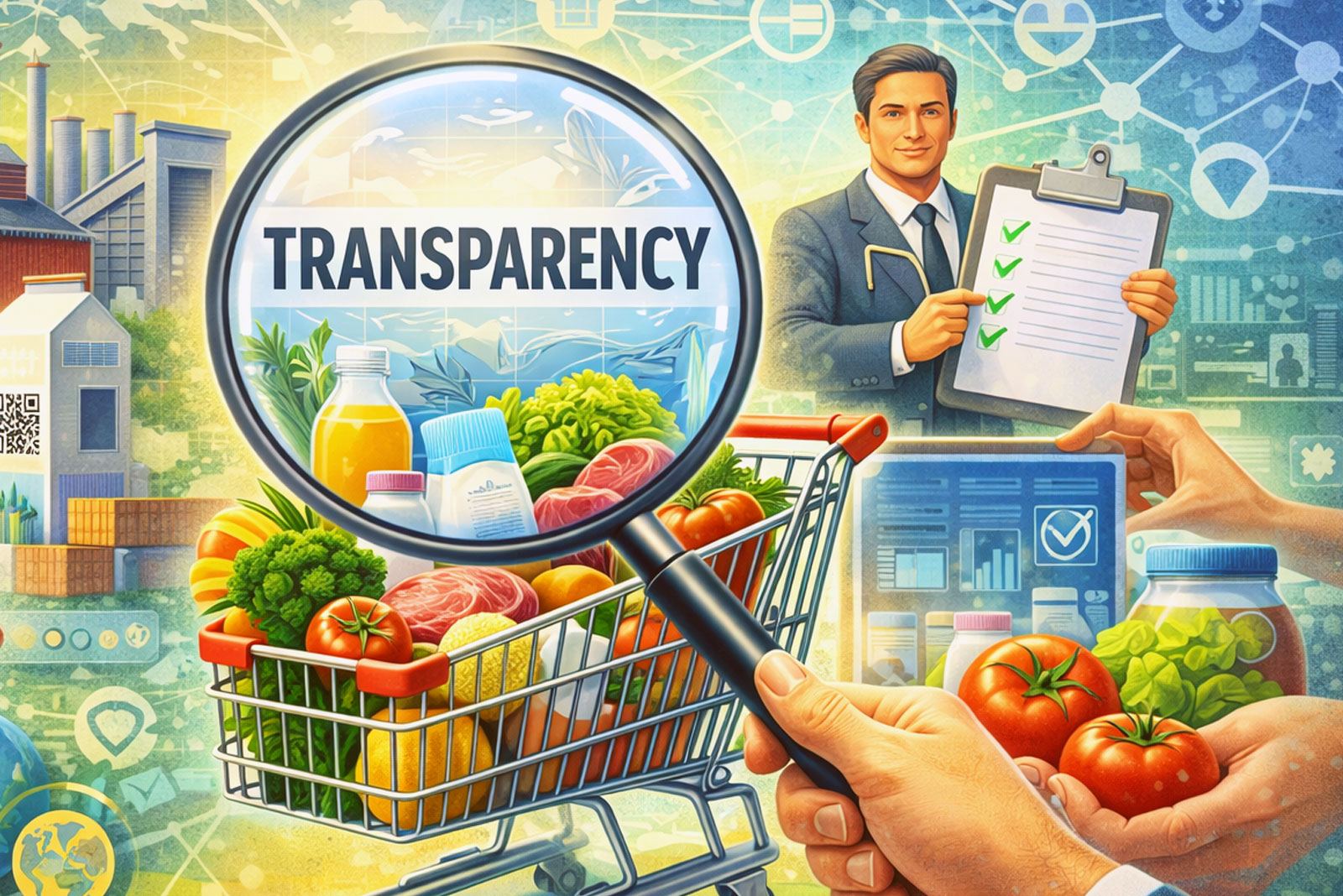
In recent years, transparency has become a defining expectation in the global food industry. Consumers are no longer satisfied with simply purchasing food products—they want to know where their food comes from, how it is produced, and whether it meets safety and ethical standards. This shift is driven by increased awareness of health, sustainability, and corporate responsibility. As a result, food businesses are under growing pressure to provide clear, accurate, and accessible information. Transparency is no longer a competitive advantage but a fundamental requirement for building trust and maintaining credibility in an increasingly informed marketplace.
Consumer Awareness and Changing Expectations
Modern consumers are more informed than ever, thanks to widespread access to digital information and social media platforms. They actively seek details about ingredients, sourcing practices, and production methods before making purchasing decisions. Concerns about food safety, allergens, and environmental impact have made transparency a key factor in consumer trust. Labels, certifications, and publicly available information now play a crucial role in influencing buying behavior. As consumers demand greater openness, companies must move beyond basic compliance and adopt proactive communication strategies that clearly demonstrate their commitment to safety, quality, and ethical practices.
The Role of Technology in Enhancing Transparency
Advancements in technology have significantly improved the ability of food businesses to provide transparency. Digital tools such as blockchain, QR codes, and data tracking systems enable companies to share detailed information about their supply chains in real time. These technologies allow consumers to trace products back to their origin, verify authenticity, and understand the journey from farm to table. In addition, data analytics and cloud-based systems help businesses maintain accurate records and ensure compliance with food safety standards. By leveraging technology, companies can not only improve operational efficiency but also build stronger relationships with consumers through increased visibility and accountability.
Regulatory Pressure and Industry Standards
Governments and international organizations have also contributed to the growing demand for transparency by introducing stricter regulations and guidelines. Clear labeling requirements, traceability mandates, and disclosure obligations ensure that consumers have access to essential information about the food they consume. Standards developed by organizations such as the Codex Alimentarius Commission provide a global framework for food safety and transparency. Additionally, certification programs recognized by the Global Food Safety Initiative encourage businesses to adopt standardized practices that enhance traceability and accountability. These regulatory and industry-driven efforts create a more transparent and trustworthy food system.
Business Benefits of Transparency
While transparency is often seen as a regulatory requirement, it also offers significant business advantages. Companies that embrace openness can differentiate themselves in a competitive market, build stronger brand loyalty, and enhance their reputation. Transparency reduces the risk of misinformation and helps businesses respond more effectively to crises, such as product recalls or safety concerns. It also fosters better relationships with suppliers and partners by promoting accountability throughout the supply chain. Ultimately, transparency contributes to long-term sustainability by aligning business practices with consumer expectations and regulatory requirements.
Challenges in Achieving Full Transparency
Despite its benefits, achieving full transparency can be challenging for many food businesses. Complex global supply chains, inconsistent data collection, and varying regulatory requirements can make it difficult to provide accurate and comprehensive information. Smaller companies, in particular, may face resource constraints when implementing advanced tracking systems or meeting strict reporting standards. Additionally, balancing transparency with the protection of proprietary information can be a delicate task. However, by adopting a strategic approach, investing in technology, and fostering a culture of openness, businesses can overcome these challenges and move toward greater transparency.
Conclusion
The growing demand for transparency in the food industry reflects a broader shift toward accountability, trust, and informed decision-making. Consumers, regulators, and industry stakeholders all play a role in shaping this trend, pushing businesses to provide clearer and more reliable information. While achieving transparency can be complex, especially in global supply chains, the benefits far outweigh the challenges. Companies that prioritize openness not only meet regulatory requirements but also build stronger relationships with their customers and partners. As technology continues to evolve and consumer expectations rise, transparency will remain a critical factor in the success and sustainability of food businesses worldwide, driving innovation and reinforcing confidence in the food system.
Keywords: food transparency, food industry transparency, food traceability, consumer trust, food labeling, supply chain transparency, food safety standards, Codex Alimentarius, GFSI, food compliance, blockchain in food industry, food sourcing, regulatory transparency, food safety, consumer awareness
Written by Crem Co Labs Content Team

Recent Comments