Crisis Communication in Food Safety: Who Is Responsible?
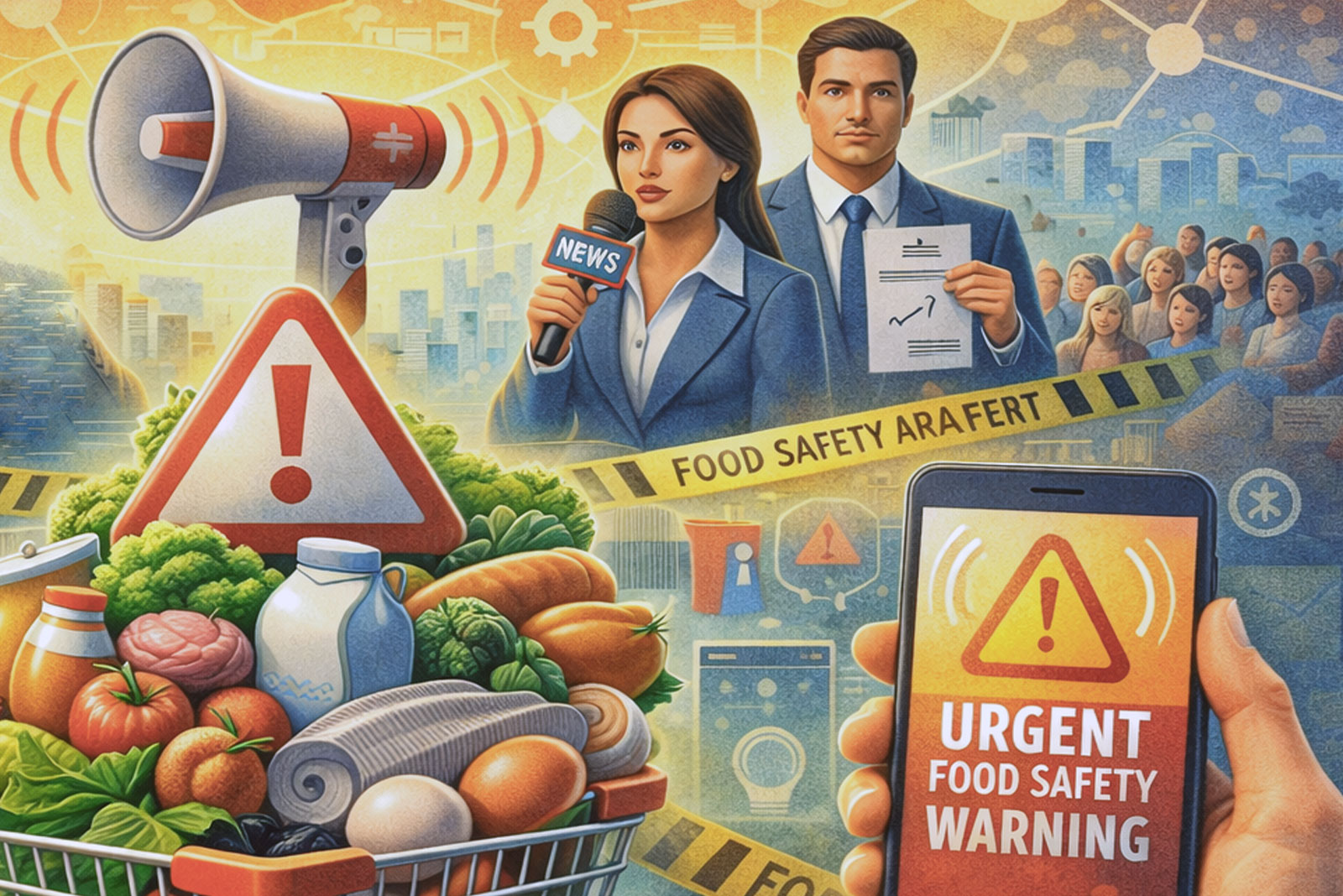
Food safety crises—such as contamination outbreaks, product recalls, or labeling errors—can have serious consequences for public health and brand reputation. In these critical moments, effective communication becomes just as important as the technical response itself. Clear, timely, and accurate information helps prevent panic, protects consumers, and preserves trust in the food system. However, crisis communication in food safety is rarely the responsibility of a single entity. Instead, it involves a coordinated effort among food businesses, regulatory authorities, and other stakeholders. Understanding who is responsible—and how they should act—is essential for managing crises effectively and minimizing damage.
The Role of Food Businesses in Crisis Communication
Food businesses are often the first line of responsibility when a safety issue arises. As producers, manufacturers, or distributors, they are typically the first to detect potential risks through internal quality control systems or customer complaints. Once a problem is identified, companies must act quickly to inform regulators, initiate recalls if necessary, and communicate transparently with consumers. This includes providing clear details about the affected products, potential risks, and steps being taken to resolve the issue. Businesses are also responsible for maintaining accurate traceability systems, which enable rapid identification of affected batches. A proactive and honest communication strategy not only helps protect public health but also demonstrates accountability and can mitigate long-term reputational damage.
The Role of Government and Regulatory Authorities
Government agencies play a critical role in overseeing crisis communication and ensuring that accurate information reaches the public. Regulatory bodies are responsible for verifying the severity of the issue, coordinating responses, and issuing official warnings or advisories. They also ensure that companies comply with recall procedures and safety regulations. International guidelines from organizations such as the Codex Alimentarius Commission provide frameworks for managing food safety emergencies and communication strategies. By acting as a trusted source of information, regulators help prevent misinformation and maintain public confidence. Their involvement ensures that communication is not only timely but also consistent and aligned with public health priorities.
The Role of Media and Consumers
In today’s digital age, media outlets and consumers themselves play an increasingly influential role in crisis communication. News organizations and social media platforms can rapidly spread information about food safety incidents, shaping public perception within hours. While this can help raise awareness, it also increases the risk of misinformation if details are inaccurate or incomplete. Consumers, on the other hand, are no longer passive recipients of information—they actively share experiences, reviews, and concerns online. This dynamic environment requires businesses and regulators to respond quickly and engage with the public in real time. Transparent and consistent messaging is essential to counter misinformation and ensure that accurate information reaches a wide audience.
Conclusion
Crisis communication in food safety is a shared responsibility that requires coordination between food businesses, regulatory authorities, media, and consumers. Each stakeholder plays a distinct role in ensuring that accurate, timely, and transparent information is communicated during critical situations. While businesses must take immediate action and demonstrate accountability, regulators provide oversight and credibility, and media channels amplify information to the public. In an era of rapid information exchange, effective communication strategies are essential to prevent confusion, reduce risk, and maintain trust. Ultimately, successful crisis communication depends on collaboration, preparedness, and a commitment to transparency, ensuring that public health remains the top priority in every response.
Keywords: food safety crisis, crisis communication, food recalls, food contamination, public health communication, Codex Alimentarius, food safety regulations, crisis management, food industry communication, risk communication, supply chain transparency, food safety systems, regulatory response, consumer trust
Written by Crem Co Labs Content Team


Recent Comments