SQF Certification Explained: A Useful Guide for Food Businesses
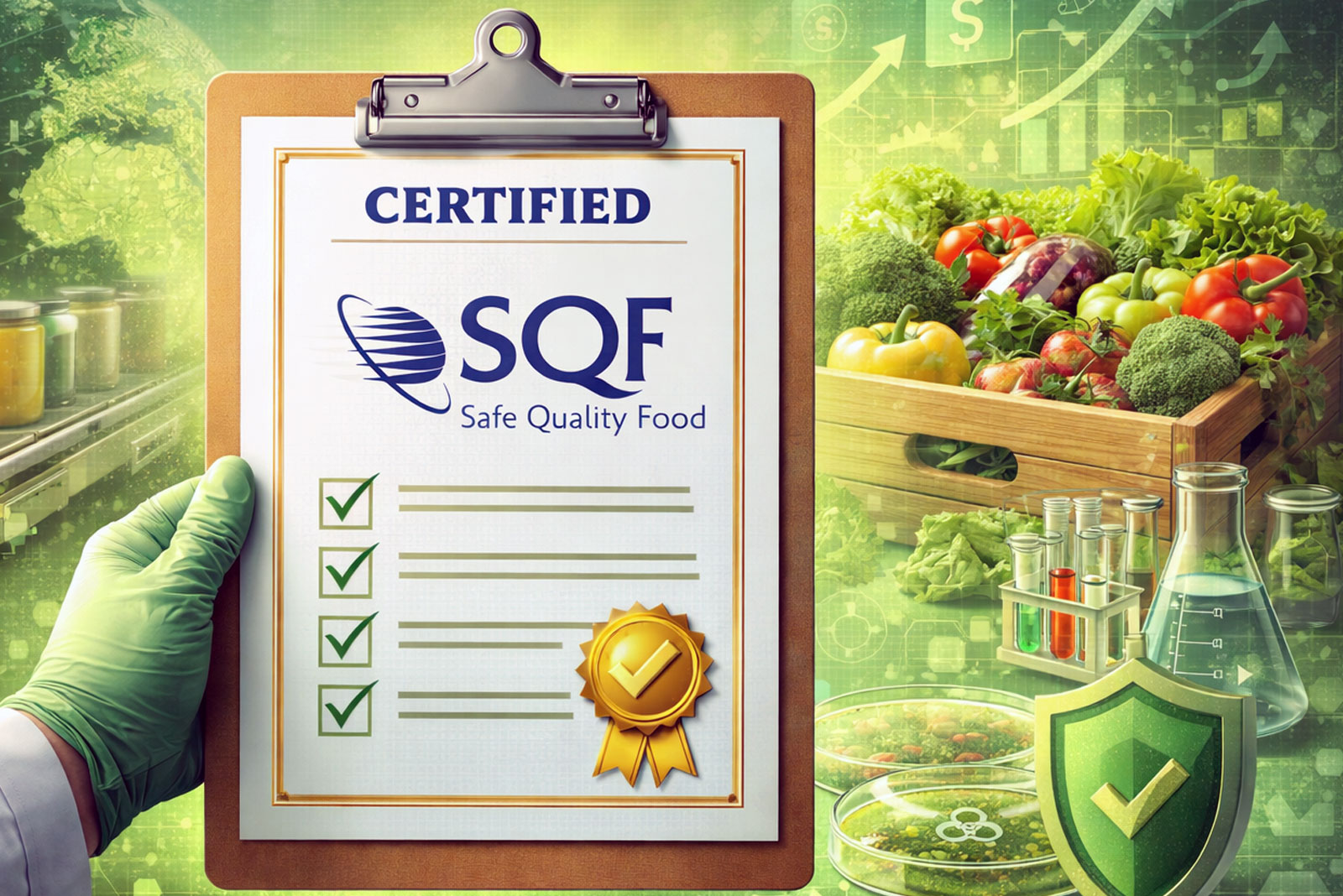
In today’s highly regulated and globally interconnected food industry, maintaining strict food safety and quality standards is essential for success. One of the most recognized systems designed to ensure these standards is the SQF Certification, developed by the SQF Institute. As a program benchmarked by the Global Food Safety Initiative, SQF certification provides a structured framework that helps businesses demonstrate their commitment to producing safe, high-quality food. Whether a company is a manufacturer, distributor, or primary producer, understanding SQF is key to meeting regulatory requirements, building consumer trust, and accessing global markets. This guide explores the essential aspects of SQF certification and its relevance to modern food businesses.
What Is SQF Certification?
SQF (Safe Quality Food) certification is a globally recognized food safety and quality management system that applies to all sectors of the food supply chain. Rather than focusing solely on compliance, SQF integrates both safety and quality into a single framework. The certification is based on internationally accepted principles such as Hazard Analysis and Critical Control Points (HACCP), ensuring that potential risks are identified and controlled throughout the production process. Companies seeking SQF certification must implement detailed procedures, maintain proper documentation, and undergo regular third-party audits. The program is divided into different codes tailored to specific industries, making it flexible and adaptable for various types of food businesses.
Key Components of the SQF Program
The SQF program is built on a comprehensive set of requirements designed to manage food safety risks effectively. These include the development of a robust food safety management system, thorough risk assessments, and strict process controls. Traceability is a critical component, enabling businesses to track products from raw materials to final distribution. In addition, SQF emphasizes supplier verification, ensuring that all inputs meet required standards. Documentation and record-keeping play a vital role, as they provide evidence of compliance during audits. Employee training is another essential element, ensuring that staff understand and follow established safety protocols. Together, these components create a systematic approach to maintaining consistent product safety and quality.
Benefits of SQF Certification for Businesses
Achieving SQF certification offers numerous advantages for food businesses. One of the most significant benefits is increased market access, as many retailers and distributors require suppliers to hold a GFSI-recognized certification. SQF also enhances brand reputation by demonstrating a commitment to high standards of food safety and quality. Operationally, the certification process encourages businesses to streamline their procedures, reduce inefficiencies, and minimize the risk of contamination or recalls. Additionally, SQF certification reduces the need for multiple audits from different customers, saving time and resources. By implementing a structured system, businesses can improve consistency, boost customer confidence, and gain a competitive edge in the marketplace.
Steps to Achieve SQF Certification
The path to SQF certification involves several key steps that require careful planning and execution. First, a business must determine which SQF code applies to its operations. Next, it must develop and implement a food safety management system that meets the program’s requirements. This includes conducting a hazard analysis, establishing critical control points, and documenting all procedures. Once the system is in place, the company must train its staff and perform internal audits to ensure readiness. The final step is undergoing a certification audit conducted by an accredited third-party body. While the process can be demanding, many businesses find that the long-term benefits—such as improved efficiency and reduced risk—far outweigh the initial investment.
Common Challenges and Best Practices
Implementing SQF certification can present challenges, particularly for smaller businesses with limited resources. Common obstacles include the complexity of documentation, the need for staff training, and the cost of upgrading facilities to meet requirements. However, these challenges can be managed through strategic planning and the adoption of best practices. Businesses can benefit from engaging experienced consultants, investing in employee education, and adopting a phased implementation approach. Leveraging digital tools for documentation and traceability can also improve efficiency. Ultimately, organizations that view SQF certification as an opportunity for continuous improvement rather than a one-time requirement are more likely to achieve long-term success.
Conclusion
SQF certification has become a vital standard for food businesses seeking to ensure safety, quality, and compliance in an increasingly competitive global market. By combining rigorous food safety principles with a strong focus on quality management, SQF provides a comprehensive framework that supports both operational excellence and consumer confidence. While the certification process requires significant effort, including system development, training, and audits, the long-term benefits are substantial. Businesses that achieve SQF certification gain improved market access, enhanced brand credibility, and more efficient internal processes. As food safety expectations continue to rise, adopting recognized standards like SQF is no longer optional but essential. Companies that embrace this framework position themselves for sustainable growth, reduced risk, and stronger relationships with customers and regulatory bodies alike.
Keywords: SQF certification, Safe Quality Food, SQF Institute, GFSI, food safety certification, food quality management, HACCP, food compliance, food industry standards, supplier verification, food safety audits, traceability, risk management, food business certification
Written by Crem Co Labs Content Team


Recent Comments