Why Food Safety Matters: Protecting Consumers and Building Trust
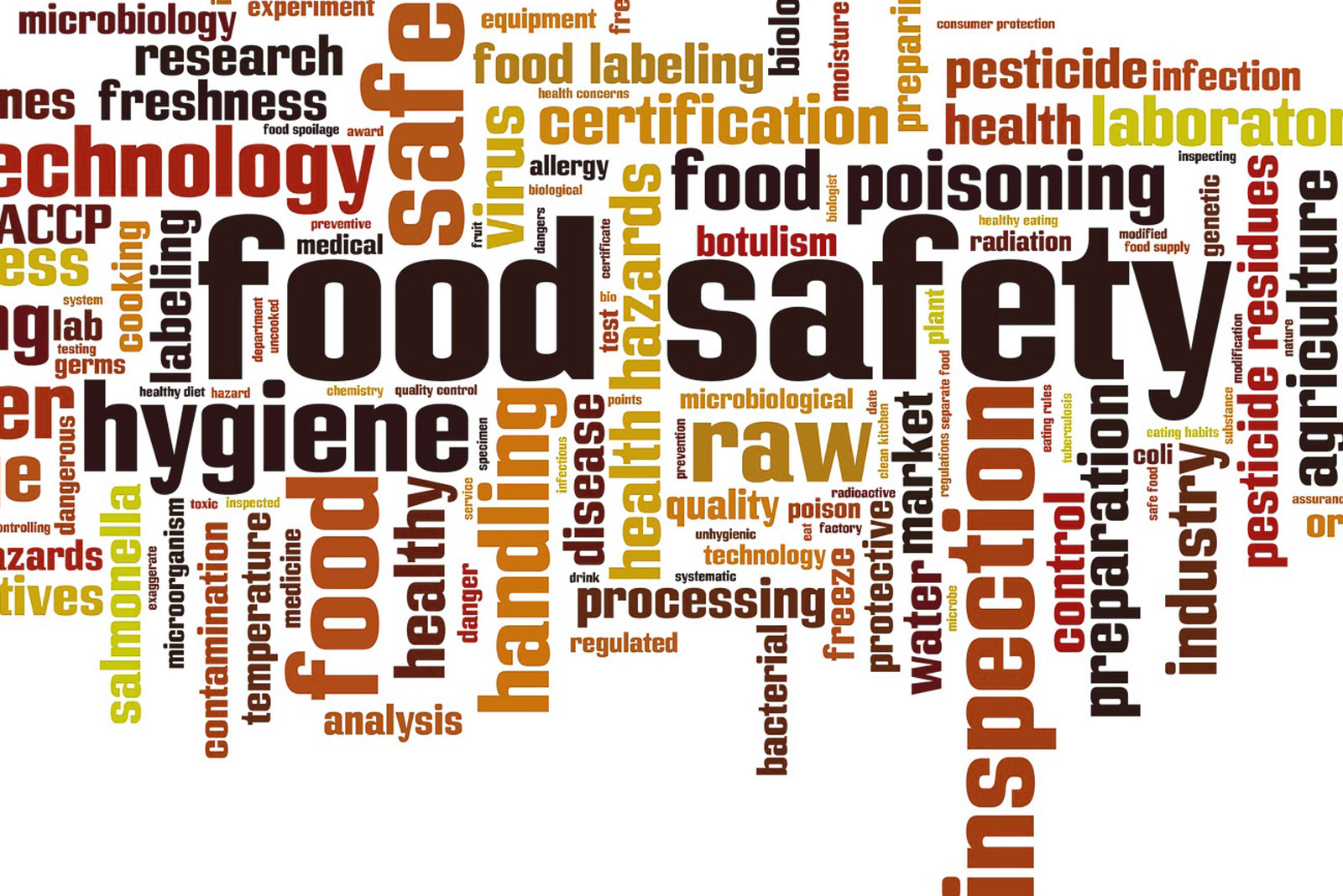
The food we eat everyday is more than just sustenance; it is the foundation of our health, community, and economic stability. Yet, this essential component of our daily lives can also be a vector for serious harm if not properly managed. Food safety, the set of practices and regulations designed to prevent foodborne illness and contamination, is therefore not a peripheral concern but a critical public health imperative. Its importance extends far beyond the immediate need to avoid sickness. Robust food safety protocols are fundamental to protecting individual consumers, upholding public health, fostering economic prosperity, and, ultimately, building the trust that modern global food systems require to function. In an increasingly interconnected world, where a single ingredient can traverse continents before consumption, the commitment to food safety is what secures the well-being of populations and the integrity of the entire supply chain.
The Direct Impact on Public Health and Well-being
The most immediate and compelling reason for prioritizing food safety is the prevention of foodborne diseases. Pathogens like Salmonella, E. coli, and Listeria, along with chemical contaminants and physical hazards, pose a significant threat to human health. The consequences of contamination range from acute, short-term illnesses characterized by debilitating gastrointestinal distress to severe long-term health complications, including kidney failure, chronic arthritis, neurological disorders, and even cancer. Certain populations, such as young children, the elderly, pregnant women, and immunocompromised individuals, are particularly vulnerable to these severe outcomes. Effective food safety measures—from proper hygiene and temperature control during processing and preparation to rigorous pesticide monitoring—act as a vital shield. They break the chain of contamination, directly reducing the incidence of illness, alleviating the burden on healthcare systems, and safeguarding the most at-risk members of society from preventable harm.
Economic Consequences for Industry and Society
Beyond the human cost, failures in food safety carry profound economic repercussions that ripple through multiple layers of society. For consumers and families, an illness results in direct medical expenses, lost income from missing work, and in tragic cases, the cost of premature death. For the food industry, the financial impact of a contamination incident can be catastrophic. A single recall can lead to massive revenue loss from destroyed inventory, crippling legal fees, and devastatingly expensive regulatory fines. However, the most lasting damage is often to a brand’s reputation; consumer trust, painstakingly built over decades, can evaporate overnight, leading to a permanent loss of market share and brand devaluation. On a macroeconomic scale, foodborne outbreaks can disrupt trade, with importing countries imposing bans on products from the affected region, damaging national economies and the livelihoods of agricultural producers.
The Foundation of Consumer Trust and Brand Integrity
In a marketplace where consumers cannot personally verify the safety of every product they buy, trust is the currency upon which the entire food industry operates. This trust is fragile and must be earned and maintained through demonstrable commitment to safety. When a company consistently delivers safe, high-quality products, it builds a reputation for reliability that fosters fierce customer loyalty. Conversely, a single safety lapse can shatter this trust irrevocably. Transparency in sourcing, manufacturing processes, and handling procedures is now a key consumer demand. Modern technologies like blockchain for traceability allow companies to prove their safety claims, showing consumers exactly where their food came from and how it was handled. Therefore, investing in food safety is not merely a regulatory cost of doing business; it is a core strategic investment in brand equity, customer retention, and long-term commercial viability.
Global Trade and National Security
Food safety is also a prerequisite for participation in the global economy. International trade in food products is governed by a complex web of safety standards and regulations. A country’s ability to export its agricultural and food products is contingent upon its capacity to prove that they meet the stringent safety requirements of importing nations. A strong national food safety control system, with credible inspection and certification processes, serves as a “passport” for domestic products to access lucrative international markets. Conversely, a weak system acts as a non-tariff trade barrier, isolating a country’s producers. Furthermore, ensuring a safe domestic food supply is a critical component of national security. Intentional contamination, whether through bioterrorism or deliberate adulteration for economic gain, is a real threat. A resilient food safety infrastructure, with robust surveillance and rapid response capabilities, is essential for protecting a population from such malicious acts and ensuring a stable and secure food supply.
Conclusion
In conclusion, the significance of food safety is multifaceted, touching upon every aspect of individual and collective life. It is an indispensable public health tool that directly prevents illness and saves lives. It is an economic imperative, protecting consumers, industries, and national economies from devastating financial losses. Furthermore, it is the essential foundation upon which consumer trust and brand loyalty are built, creating a stable and transparent marketplace. Finally, it is a critical enabler of global trade and a cornerstone of national security. Upholding rigorous food safety standards is not merely a technical or regulatory challenge but a shared responsibility that requires commitment from producers, regulators, and consumers alike to ensure a safe, secure, and trustworthy food supply for all.
Keywords: Food safety, foodborne illness, contamination, pathogens, public health, consumers, trust, supply chain, regulation, prevention, recall, economic impact, brand reputation, global trade, food security, transparency, traceability, Hazard Analysis Critical Control Point (HACCP)
Written by Crem Co Labs Content Team

A WordPress Commenter
Hi, this is a comment.
To get started with moderating, editing, and deleting comments, please visit the Comments screen in the dashboard.
Commenter avatars come from Gravatar.
Steve Han
Thanks for your comment