Understanding HACCP: The Cornerstone of Modern Food Safety
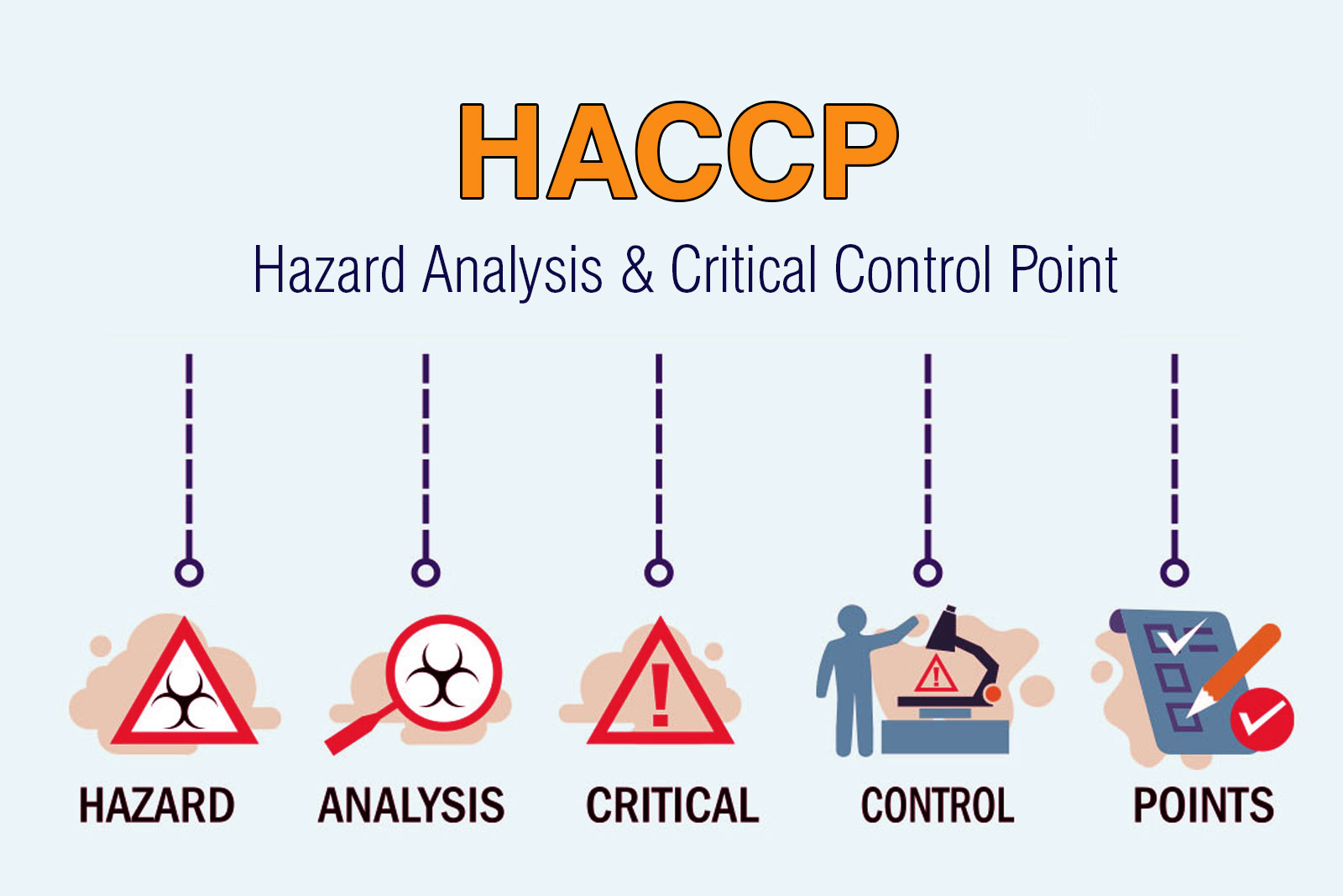
The pursuit of food safety has evolved from reactive measures—responding to outbreaks of illness—to a proactive, preventive philosophy aimed at building safety into products from inception to consumption. At the heart of this modern approach lies the Hazard Analysis and Critical Control Points system, universally known as HACCP (pronounced ‘hassip’). Developed in the 1960s by the Pillsbury Company, NASA, and the U.S. Army Laboratories to ensure the safety of food for space missions, HACCP has transcended its original purpose to become the global standard for food safety management. Unlike traditional inspection-based methods that focus on finding problems in finished products, HACCP is a systematic, scientific framework designed to identify, evaluate, and control potential hazards before they can threaten public health. It is the foundational pillar upon which contemporary food safety regulations, such as the FDA’s Food Safety Modernization Act (FSMA), are built, making it truly the cornerstone of a safe global food supply.
The Seven Principles: A Structured Framework
The power and efficacy of HACCP stem from its structured nature, codified into seven logical principles that provide a clear roadmap for any food operation. These principles form a continuous cycle of assurance: first, conducting a hazard analysis to identify potential biological, chemical, or physical hazards. Second, determining the Critical Control Points (CCPs)—those specific points in the process where control can be applied to prevent, eliminate, or reduce a hazard to an acceptable level. Third, establishing critical limits, which are the measurable criteria (like temperature or pH) that must be met at each CCP. The fourth and fifth principles focus on monitoring procedures to ensure CCPs are under control and defining corrective actions to be taken when monitoring indicates a deviation. Finally, the system is upheld by verification procedures to confirm the HACCP plan is working effectively and meticulous record-keeping to provide documented evidence of compliance.
From Reactive to Preventive: A Paradigm Shift
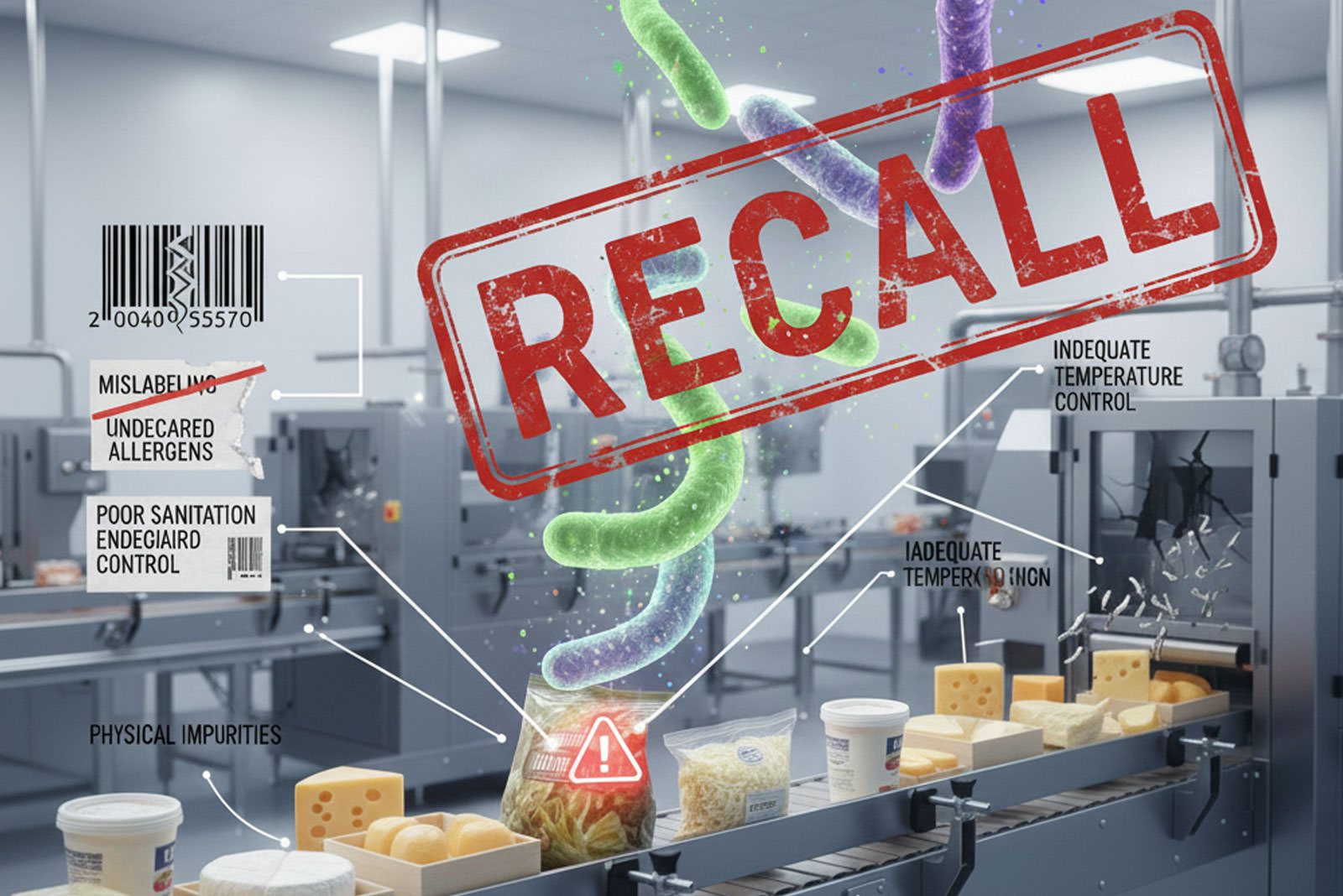
HACCP’s most significant contribution is its role in engineering a paradigm shift within the food industry. Prior to its widespread adoption, food safety largely depended on end-product testing and organoleptic inspection (sight, smell, touch). This reactive method was inherently flawed, as it could only detect hazards after they had already occurred, and statistical sampling could easily miss contaminated products. HACCP flipped this model on its head. By focusing resources on controlling the process rather than inspecting the product, it moves the point of intervention upstream. This preventive approach is not only more effective but also more efficient, as it reduces the massive costs associated with recalls, waste, and brand damage by stopping problems before they start, fundamentally changing the industry’s mindset from “catch and correct” to “predict and prevent.”
Application Across the Farm-to-Fork Continuum
A key strength of the HACCP system is its remarkable versatility. It is not a one-size-fits-all set of rules but a framework that can be applied to any segment of the food supply chain, from primary production to retail and food service. On a farm, a CCP might be the washing of produce or the pasteurization of milk. In a processing plant, it could be the thermal processing step for canned goods or the metal detection stage for packaged products. In a restaurant, the cooking and cooling of prepared foods are critical control points. This universal applicability ensures that safety is managed cohesively at every step, minimizing the risk of hazards being introduced or amplified as a product moves from raw material to the consumer’s plate, thereby strengthening the entire food ecosystem.
Building Consumer Trust and Ensuring Regulatory Compliance
In today’s market, a demonstrable commitment to food safety is a powerful currency for building and maintaining consumer trust. A validated HACCP plan provides tangible proof that a company has a rigorous, science-based system in place to protect public health. This assurance is crucial for brand integrity and can be a significant competitive advantage. Furthermore, HACCP is no longer just a best practice; it is a legal requirement in many nations for certain food sectors. Internationally, it is a cornerstone of Codex Alimentarius standards, facilitating global trade by providing a common language and framework for food safety. Compliance with HACCP-based regulations is therefore essential for market access and avoiding significant legal and financial penalties.
Challenges and the Path to Effective Implementation
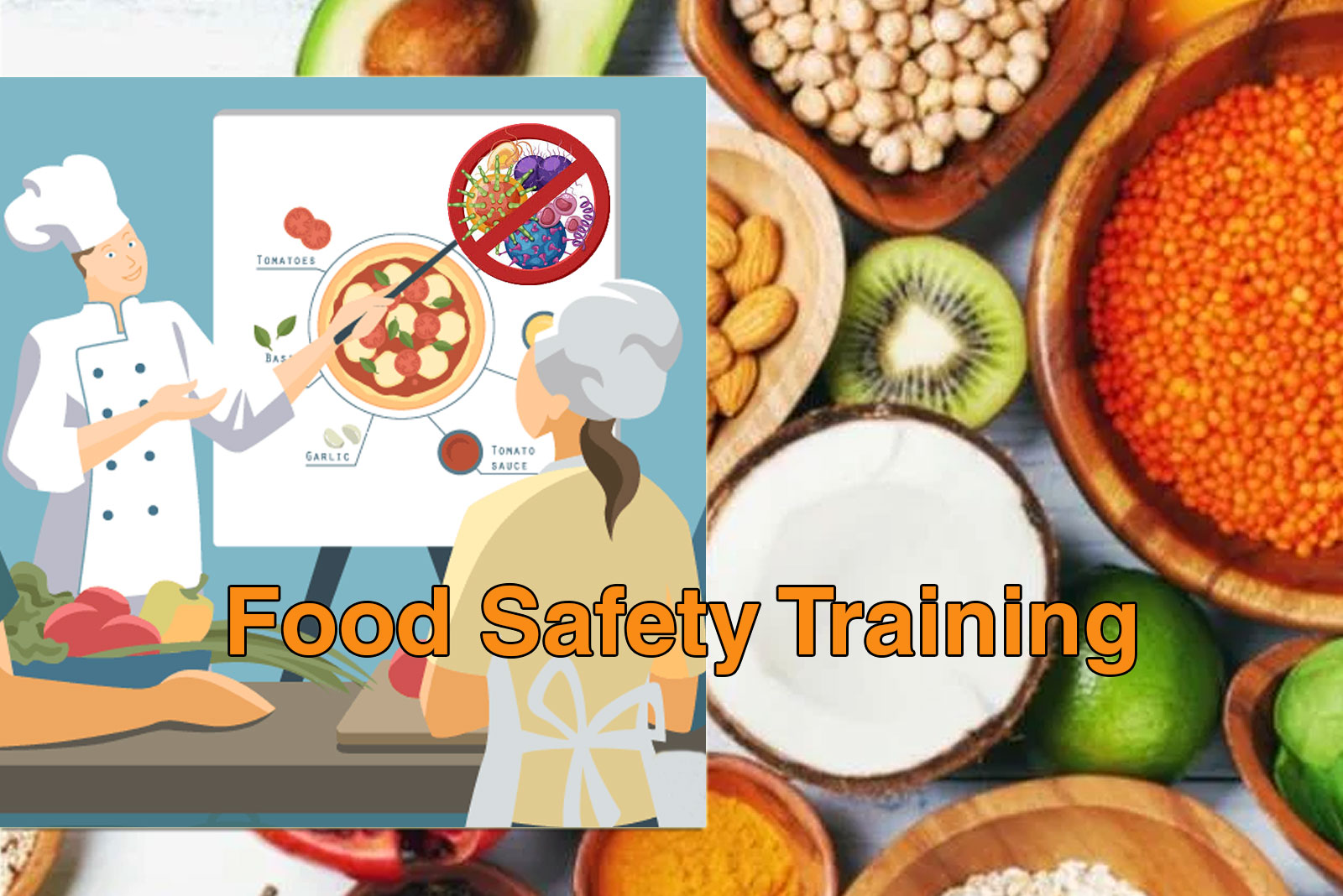
Despite its clear benefits, implementing an effective HACCP plan is not without challenges. It requires a dedicated multidisciplinary team with expertise in microbiology, chemistry, engineering, and the specific production process. A thorough hazard analysis is complex and demands a deep understanding of the product and its intended use. Perhaps the greatest hurdle is ensuring ongoing commitment; a HACCP plan is a living system, not a static document. It requires diligent monitoring, consistent record-keeping, regular verification, and adaptation to changes in ingredients, processes, or equipment. Success is wholly dependent on a strong foundational food safety culture, where every employee understands their role in upholding the system, making continuous training and management support absolutely critical.
Conclusion
HACCP represents a monumental leap forward in the science and management of food safety. Its systematic, preventive framework provides a rational and effective methodology for identifying and controlling hazards that traditional inspection methods could not reliably manage. By shifting the focus from end-product testing to process control, it offers a more efficient and reliable means of ensuring food is safe for consumption. Its flexibility allows it to be tailored to any operation within the vast farm-to-fork spectrum, making it the universal language of food safety and a prerequisite for international trade. While its implementation demands significant expertise, resources, and cultural commitment, the return on investment is immeasurable: the prevention of human illness, the protection of brand reputation, and the strengthening of consumer confidence in the food supply. As food systems grow more complex, the role of HACCP as the indispensable cornerstone of food safety only becomes more vital.
Keywords: HACCP, Hazard Analysis and Critical Control Points, food safety, preventive controls, critical control point (CCP), critical limit, hazard, monitoring, corrective action, verification, record-keeping, Codex Alimentarius, Food Safety Modernization Act (FSMA), farm-to-fork, biological hazard, chemical hazard, physical hazard, compliance
Written by Crem Co Labs Content Team

Recent Comments