The Importance of Continuous Training in Food Safety and Quality
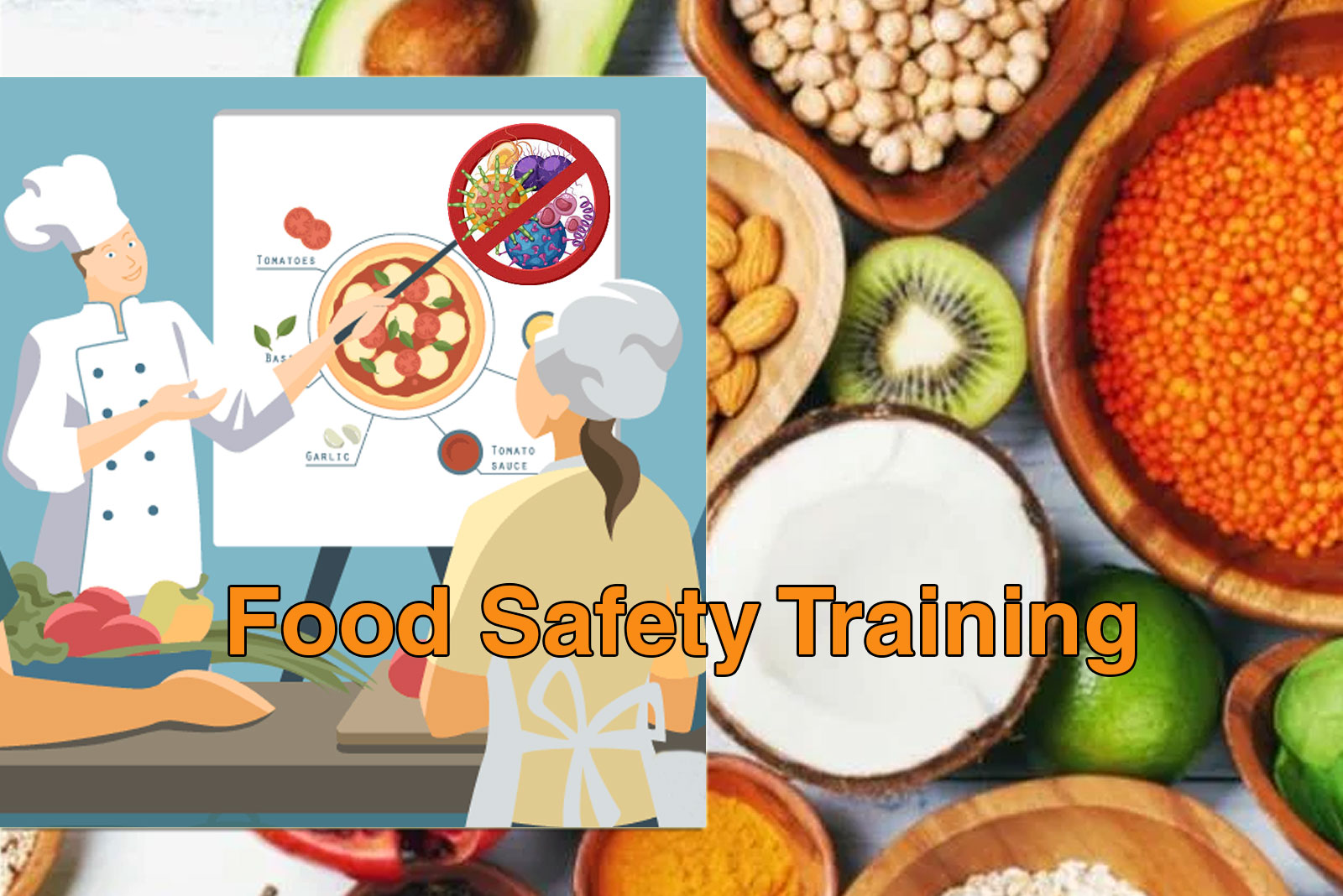
The global food industry operates within an incredibly complex and dynamic environment, where the stakes of failure are exceptionally high. While establishing a food safety management system is a critical first step, its ongoing effectiveness is not guaranteed by documentation alone. The true linchpin of a successful food safety and quality culture is continuous training. This is not a one-time event to satisfy regulatory auditors but an enduring commitment to developing and refreshing the knowledge, skills, and mindset of every employee. From the executive suite to the production floor, ongoing education is the essential mechanism that transforms written protocols into practiced routines, adapts to emerging risks, and fosters a shared sense of responsibility. In essence, continuous training is the vital process that breathes life into a food safety plan, ensuring it remains a robust and active shield against contamination, rather than a stagnant binder on a shelf.
Mitigating Evolving Risks and Ensuring Regulatory Compliance
The landscape of food safety is perpetually shifting. New pathogens emerge, consumer trends introduce novel ingredients and processes, and supply chains become more globalized and intricate. Simultaneously, regulatory frameworks like the Food Safety Modernization Act (FSMA) are increasingly focused on preventive controls and are subject to updates. A single training session at the time of hire is utterly insufficient to address these evolving challenges. Continuous training programs are designed to keep the workforce abreast of these changes. Whether it’s learning about a new allergen control policy, understanding the specifics of a recently identified chemical hazard, or adapting to updated hygiene protocols, ongoing education ensures that the company’s practices are not just compliant today but are forward-looking and adaptable. This proactive approach minimizes the risk of costly recalls, legal penalties, and regulatory non-compliance that can arise from an outdated knowledge base.
Cultivating a Proactive Food Safety Culture
Beyond mere compliance, continuous training is the most powerful tool for building a genuine, bottom-up food safety culture. When training is periodic and engaging, it moves beyond a mandatory obligation and becomes a core company value. It empowers employees at all levels to understand the “why” behind the “what,” transforming them from passive rule-followers into active guardians of quality. This cultural shift is characterized by increased vigilance, where employees feel personally responsible and empowered to identify potential hazards, report near-misses, and suggest improvements without fear of reprisal. A workforce that is consistently trained and engaged is more likely to take ownership of their role in the process, leading to higher standards of personal hygiene, more meticulous equipment cleaning, and a greater commitment to producing safe, high-quality products every day.
Driving Operational Excellence and Protecting Brand Equity
The benefits of continuous training extend directly to the bottom line through enhanced operational efficiency and powerful brand protection. Well-trained employees make fewer errors, leading to reduced product waste, lower rework costs, and fewer production line stoppages due to deviations or contamination events. This streamlined efficiency boosts productivity and profitability. Furthermore, every employee is a representative of the brand. Their actions directly impact product quality and, by extension, consumer trust. A single food safety incident can irrevocably damage a brand’s reputation that took decades to build. Continuous training acts as a critical insurance policy against this threat. It ensures consistent product quality, strengthens consumer confidence, and provides a significant competitive advantage in a market where buyers and retailers demand proof of a mature and effective food safety training culture.
Global Trade and National Security
Food safety is also a prerequisite for participation in the global economy. International trade in food products is governed by a complex web of safety standards and regulations. A country’s ability to export its agricultural and food products is contingent upon its capacity to prove that they meet the stringent safety requirements of importing nations. A strong national food safety control system, with credible inspection and certification processes, serves as a “passport” for domestic products to access lucrative international markets. Conversely, a weak system acts as a non-tariff trade barrier, isolating a country’s producers. Furthermore, ensuring a safe domestic food supply is a critical component of national security. Intentional contamination, whether through bioterrorism or deliberate adulteration for economic gain, is a real threat. A resilient food safety infrastructure, with robust surveillance and rapid response capabilities, is essential for protecting a population from such malicious acts and ensuring a stable and secure food supply.
Conclusion
In summary, continuous training is far more than an administrative checkbox in the food industry; it is a strategic imperative fundamental to long-term success. It serves as the primary defense against an ever-changing array of biological, chemical, and physical hazards, ensuring an organization remains agile and compliant. More profoundly, it is the catalyst for developing a resilient food safety culture where every employee is an engaged and empowered stakeholder in quality assurance. This investment in human capital yields significant returns by optimizing operations, minimizing waste, and, most importantly, safeguarding the most valuable asset a company possesses: its reputation for safety and integrity. Ultimately, a commitment to perpetual learning is a commitment to consumer protection, business longevity, and excellence.
Keywords: Continuous training, food safety culture, compliance, regulatory requirements, Hazard Analysis and Critical Control Points (HACCP), preventive controls, allergens, contamination, operational efficiency, brand reputation, employee empowerment, risk mitigation, standard operating procedures (SOPs), competency, lifelong learning
Written by Crem Co Labs Content Team

Recent Comments