Food Recalls: Lessons Learned and How to Prevent Them
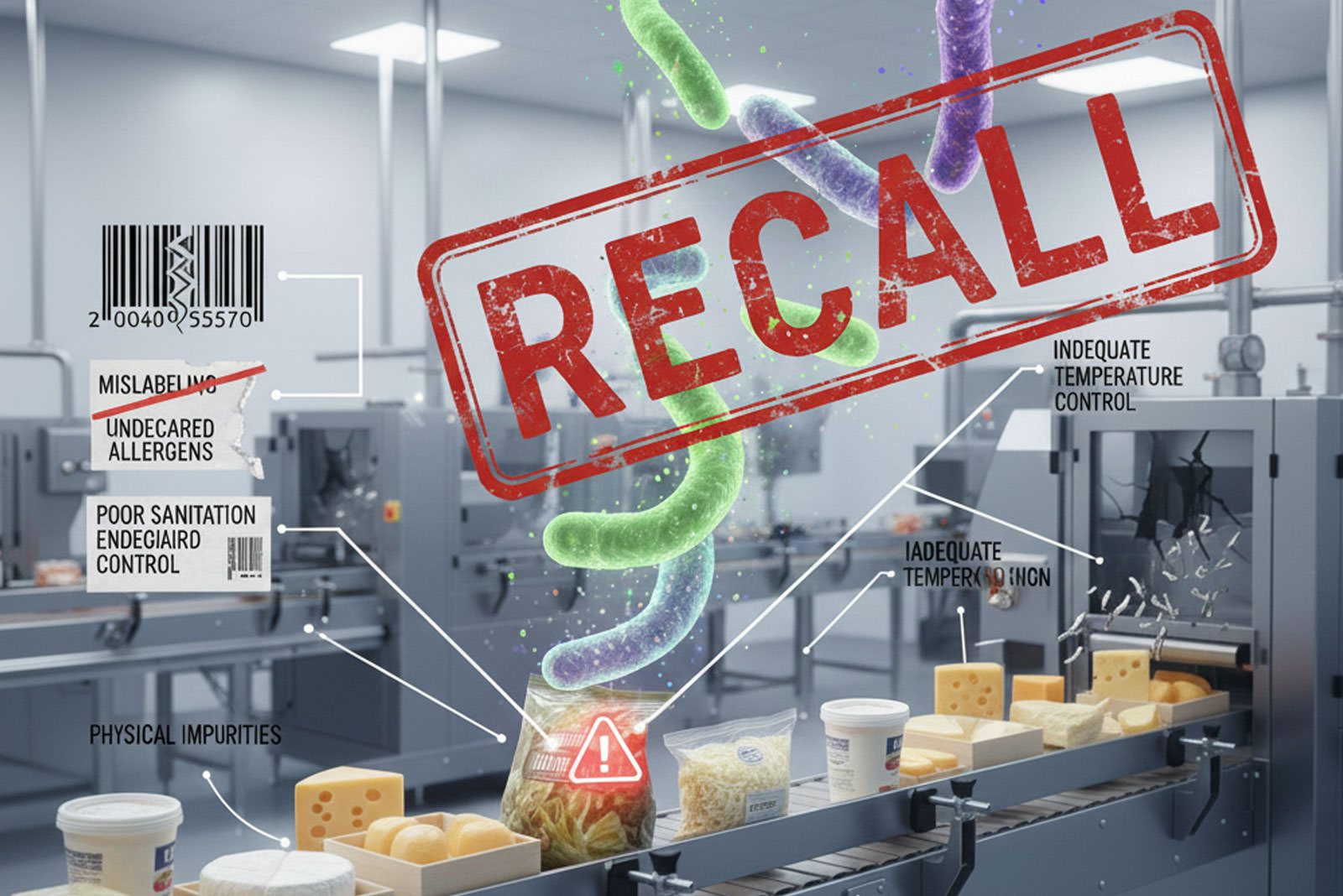
Food recalls remain a significant challenge for the modern food industry, often resulting in financial losses, damaged brand reputation, and risks to public health. As global supply chains expand and food systems become more complex, the chances of contamination, mislabeling, or regulatory non-compliance increase. While recalls are sometimes inevitable, each event provides valuable insights into where systems failed and how preventive actions can be strengthened. Understanding these lessons is essential for manufacturers, distributors, regulators, and consumers alike. By examining past recall incidents and recognizing common patterns, stakeholders can adopt more rigorous preventive measures that protect both consumer safety and industry integrity.
Root Causes of Food Recalls
Most food recalls stem from a combination of preventable factors, including microbial contamination, undeclared allergens, mislabeling, and physical impurities such as metal or plastic fragments. Microbial contamination—such as Salmonella, Listeria, or E. coli—remains the most frequent cause, often linked to poor sanitation, inadequate temperature control, or cross-contamination during processing. Allergen-related recalls, meanwhile, typically occur due to lapses in label accuracy or improper segregation of allergen-containing ingredients. Mislabeling and packaging errors reflect weaknesses in quality assurance systems, pointing to the need for stronger verification protocols. Understanding these root causes helps organizations identify vulnerabilities in their production processes and adopt targeted interventions before risks escalate into public safety threats.
The Role of Traceability and Supply Chain Transparency
A critical lesson from major recall events is the importance of robust traceability and supply chain transparency. Many recalls become more severe because companies struggle to pinpoint the source of contamination or track the affected batches quickly. Advanced traceability technologies—such as barcode systems, RFID tagging, blockchain platforms, and digital batch logs—enable companies to trace the movement of ingredients from farm to fork with greater accuracy. Transparent documentation supports faster containment, reduces recall scope, and minimizes financial damage. Moreover, traceability improves cross-industry communication by allowing suppliers, distributors, and regulators to share information quickly and verify authenticity. Ultimately, an efficient traceability system transforms potential crises into manageable events by enabling swift, data-driven decision-making.
Strengthening Preventive Controls and Facility Hygiene
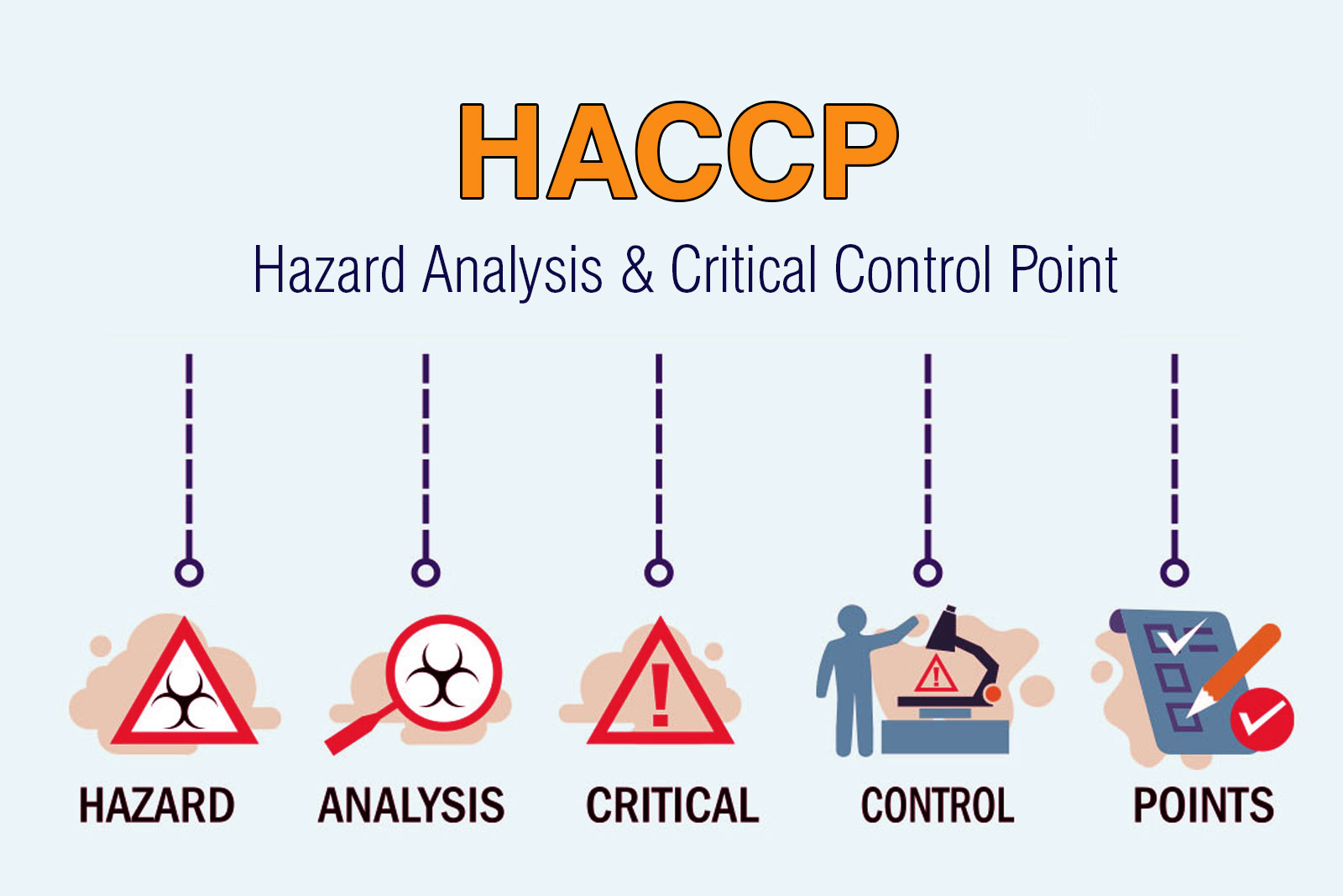
Another major lesson learned from past food recalls is the importance of preventive controls and strict hygiene protocols within production environments. Adhering to frameworks such as HACCP, HARPC, and GMP plays an essential role in mitigating contamination risks at each step of the process. Regular environmental monitoring, including swab testing and pathogen detection, helps identify early contamination threats. Equipment maintenance and proper employee hygiene remain vital, as lapses in sanitation often lead to microbial growth or cross-contamination. Furthermore, continuous staff training ensures that employees understand the critical points where errors can occur and how their actions directly affect product safety. By creating a culture of strict compliance, organizations reduce the likelihood of safety breaches that could lead to large-scale recalls.
Communication, Crisis Response, and Consumer Trust
Food recalls also highlight the necessity of effective communication and crisis management. When a recall is initiated, companies must act quickly to notify distributors, retailers, regulatory authorities, and consumers in a clear and transparent manner. Delayed or poorly managed communication can worsen safety risks and erode public trust. Many successful recall responses have shown that companies willing to take responsibility, issue timely updates, and provide clear instructions on product returns or disposal often recover more quickly from the reputational fallout. Establishing predefined crisis-response teams, communication templates, and decision-making protocols greatly improves a company’s ability to manage recall events efficiently. Ultimately, well-handled communication serves as a reassurance that consumer safety remains the organization’s top priority.
Conclusion
Food recalls, although disruptive, function as powerful reminders of the importance of strong preventive systems, transparent supply chains, and well-coordinated crisis management. Each recall exposes weaknesses that, when acknowledged and addressed, help organizations strengthen their food safety culture and operational resilience. Preventive controls, rigorous hygiene standards, and accurate labeling significantly reduce the likelihood of safety failures. Meanwhile, robust traceability ensures rapid response when issues arise, limiting harm to both consumers and brands. Clear communication throughout a recall helps preserve trust and demonstrates accountability. As the global food industry continues to grow in complexity, implementing the lessons learned from past recalls is essential to safeguarding public health and maintaining long-term consumer confidence.
Keywords: food recalls, food safety, contamination, allergens, mislabeling, traceability, supply chain transparency, HACCP, GMP, preventive controls, crisis management, consumer trust, public health, quality assurance, microbial hazards
Written by Crem Co Labs Content Team


Recent Comments